
January 23, 2024

6 Min Read
Chapter 7: Making Your Real Estate Purchase
Making your first real estate purchase is an exciting and pivotal step in your real estate investment journey. This chapter will guide you through the entire process, from crafting an offer to closing the deal. Whether you're investing in residential, commercial, or industrial properties, the principles remain the same.
Seeking Professional Guidance
During the real estate purchase process, consider consulting professionals for guidance. Financial advisors help with financing and budgeting, while real estate agents offer valuable support in property selection and negotiation. Their expertise can ensure a successful transaction and valuable learning experiences in your real estate investing journey as you follow the next steps.
Crafting an Offer
Once you've identified a property that aligns with your investment goals, it's time to make an offer. Here's what you need to know:
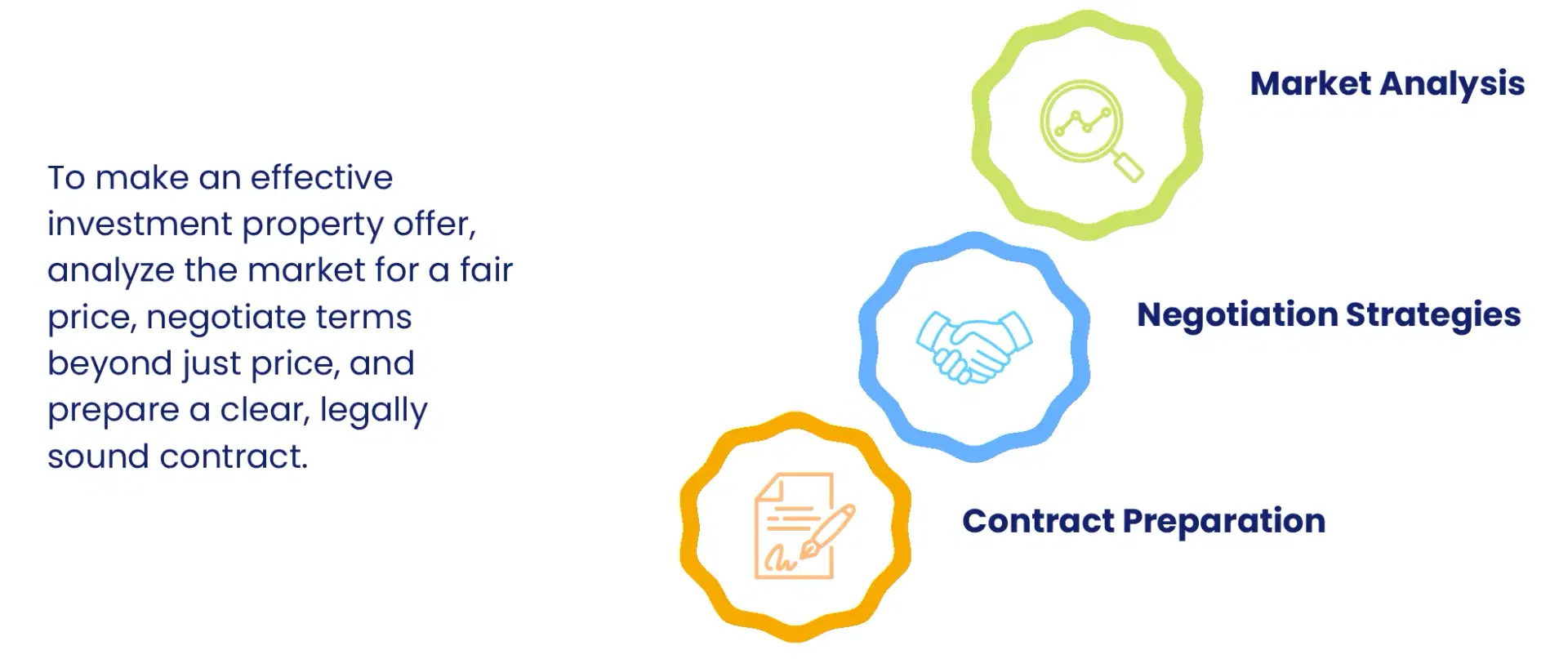
- Market Analysis: Before making an offer, conduct a detailed market analysis to determine a competitive yet fair price. This involves examining recent sales of similar properties and assessing the property's condition.
- Negotiation Strategies: Effective negotiation is vital for securing a favorable deal. It's important to negotiate not only the purchase price but also other terms such as repairs and closing costs.
- Contract Preparation: Once terms are agreed upon, prepare a comprehensive purchase contract. This should clearly outline all terms and conditions. It's advisable to seek legal guidance or use standard templates to ensure the contract is legally sound.
Financing Your Investment
Securing financing for your real estate purchase is a crucial step. Whether you're using traditional mortgages, private loans, or exploring newer methods like crowdfunding, understand the financing options available to you. Ensure you have a clear understanding of all associated costs.
The Closing Process
The closing process is the final step in your real estate purchase. Here's what to expect:
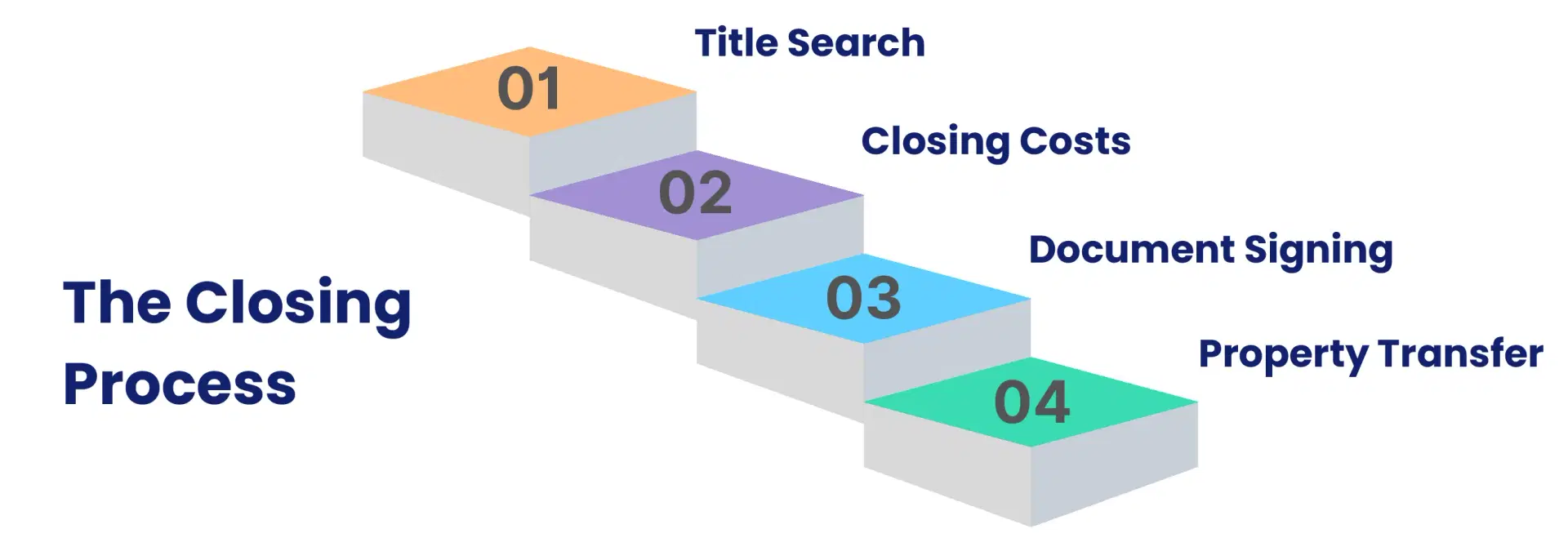
- Title Search: Confirm that the property's title is clear of any liens or encumbrances through a title search.
- Closing Costs: Understand the closing costs involved, which can include fees for appraisal, title insurance, and legal services. Budget effectively to cover these expenses.
- Document Signing: During the closing, you'll sign various documents, including the deed and mortgage agreement.
- Property Transfer: Once all documents are signed and funds are transferred, ownership of the property is officially transferred to you.
Key TakeawaySeek professional guidance from financial advisors and real estate agents to navigate property selection, negotiation, and financing. Craft competitive offers, conduct thorough property inspections, and understand the closing process. If it ever feels overwhelming, remember that we are here to simplify real estate investing, while handling the complexities.
In the upcoming chapter, we'll delve into the world of Effective Property Management, where you'll learn essential strategies for managing your real estate investments to optimize returns.

Ross Iannarelli
Jan 23, 2024