In February 2026, CityBiz reported that Relli co-founder and CEO Mor Milo is calling for self-contained micro communities on underutilized land to ease the housing affordability and supply crunch. The article outlines the model, the Midwest market trends behind it and the capital gap Milo says holds development back. The full CityBiz article is below, and you can see how Relli works today.
Editor's note: first published February 2026, so some details have changed. Today Relli is a marketplace where investors review offerings from reviewed sponsors, express interest and talk to each sponsor directly. Each offering page shows its own minimum.
Key takeaways
- With the average single-family home near $500,000 and a $100,000 down payment, homeownership is out of reach for many first-time buyers.
- Milo's model pairs two-bedroom, two-bathroom homes priced at $100,000 to $300,000 with retail, utilities and recreation.
- Growth in Midwest markets such as Columbus, Indianapolis and Kansas City points to demand for affordable locations.
- Milo sees capital as the main barrier, with institutions favoring debt over equity in development projects.
- CityBiz notes the concept is theoretical, with no such developments on Relli at the time.
By Win Warfield, CityBiz. Originally published February 7, 2026.
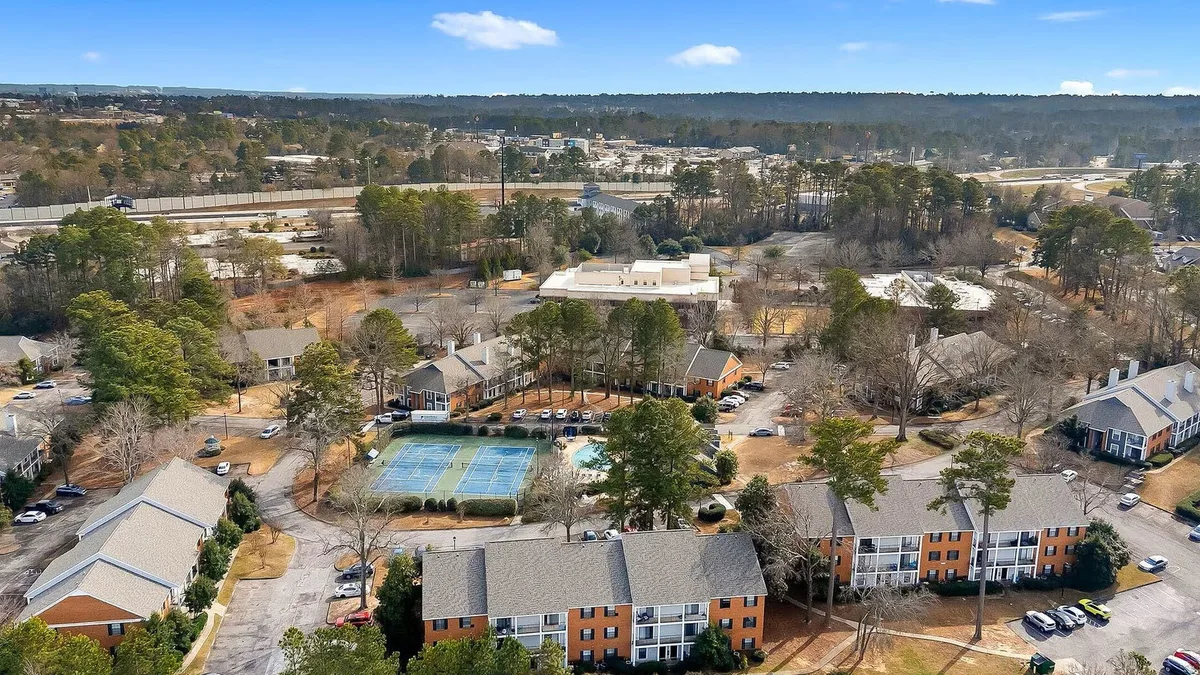
Mor Milo, Co-founder and CEO of Relli, has proposed micro communities built on America’s underutilized land as a viable solution to the nation’s housing affordability crisis. The model involves developing self-contained ecosystems combining residential properties with essential infrastructure and amenities in locations beyond traditional metropolitan centers.
With average single-family home prices reaching $500,000 requiring $100,000 down payments, traditional homeownership has become increasingly inaccessible for first-time buyers and middle-income households. Milo’s proposal addresses both supply constraints and capital availability challenges currently limiting development.
“There’s so much land in America,” Milo said. “The issue is that land is so far away from civilization. For those who have the means and capability to build a little micro city that could literally be plopped anywhere in the United States alongside basic things people need, there’s a lot of wonderful nature throughout this country where these communities could work.”
The micro community model would involve developing two-bedroom, two-bathroom homes priced between $100,000 and $300,000 within planned communities featuring essential retail (Starbucks, Target), infrastructure (power, water, wireless services), and mixed-use elements including recreational and entertainment facilities. The approach targets first-time buyers, remote workers, and downsizers seeking affordable homeownership without complete geographic isolation.
Geographic market shifts support the model’s viability. While traditional powerhouse markets in Texas and Florida experience slowing growth, Midwest markets including Columbus, Indianapolis, and Kansas City demonstrate outsized expansion, indicating demand for affordability over metropolitan proximity.
Milo identified capital availability as the primary barrier preventing large-scale micro community development. Institutional investors currently favor debt investments offering 12 to 15% returns over equity positions in development projects. However, retail capital remains largely untapped due to infrastructure limitations connecting individual investors with development opportunities.
“We have a huge problem with real estate in the world right now,” Milo noted. “Nobody can afford anything, and most people who own property don’t want to sell it. The problem is affordability from an interest rate perspective, a lack of supply, and a lack of capital in the market for operators to flourish.”
Relli’s platform addresses this capital gap by enabling fractional real estate investment starting at $25,000, with plans to integrate opportunities starting at $100 through Regulation CF offerings. The model democratizes access on both sides of transactions, providing operators with capital to build while offering retail investors exposure to real estate returns without purchasing entire properties.
“Our whole intention behind creating Relli and allowing the average consumer to start financing these types of real estate could be the thing that unlocks the supply issue,” Milo explained. “Operators will have the ability to solicit investment from the average consumer, giving them unbridled access to capital they need to build out supply in the United States.”
The micro community concept remains theoretical, with no current developments on Relli’s platform. However, the necessary infrastructure for fractional ownership financing exists, and geographic market trends demonstrate demand for affordable housing solutions outside traditional metropolitan boundaries.
Milo’s proposal comes as commercial real estate investment is projected to reach $562 billion in 2026, representing a 16% increase from 2025 levels. However, transaction velocity remains constrained by the gap between buyer and seller price expectations and limited capital deployment from institutional sources.
Originally published
- CityBiz, February 7, 2026