
January 27, 2024

7 Min Read
Chapter 9: Developing an Exit Strategy
As a real estate investor, it's essential to plan not only for acquiring properties but also for exiting your investments strategically. In this chapter, we'll delve into the concept of developing an exit strategy. We'll explore when and how to liquidate your real estate assets for maximum returns, and we'll leverage Relli's insights to help you make informed decisions.
The Importance of an Exit Strategy
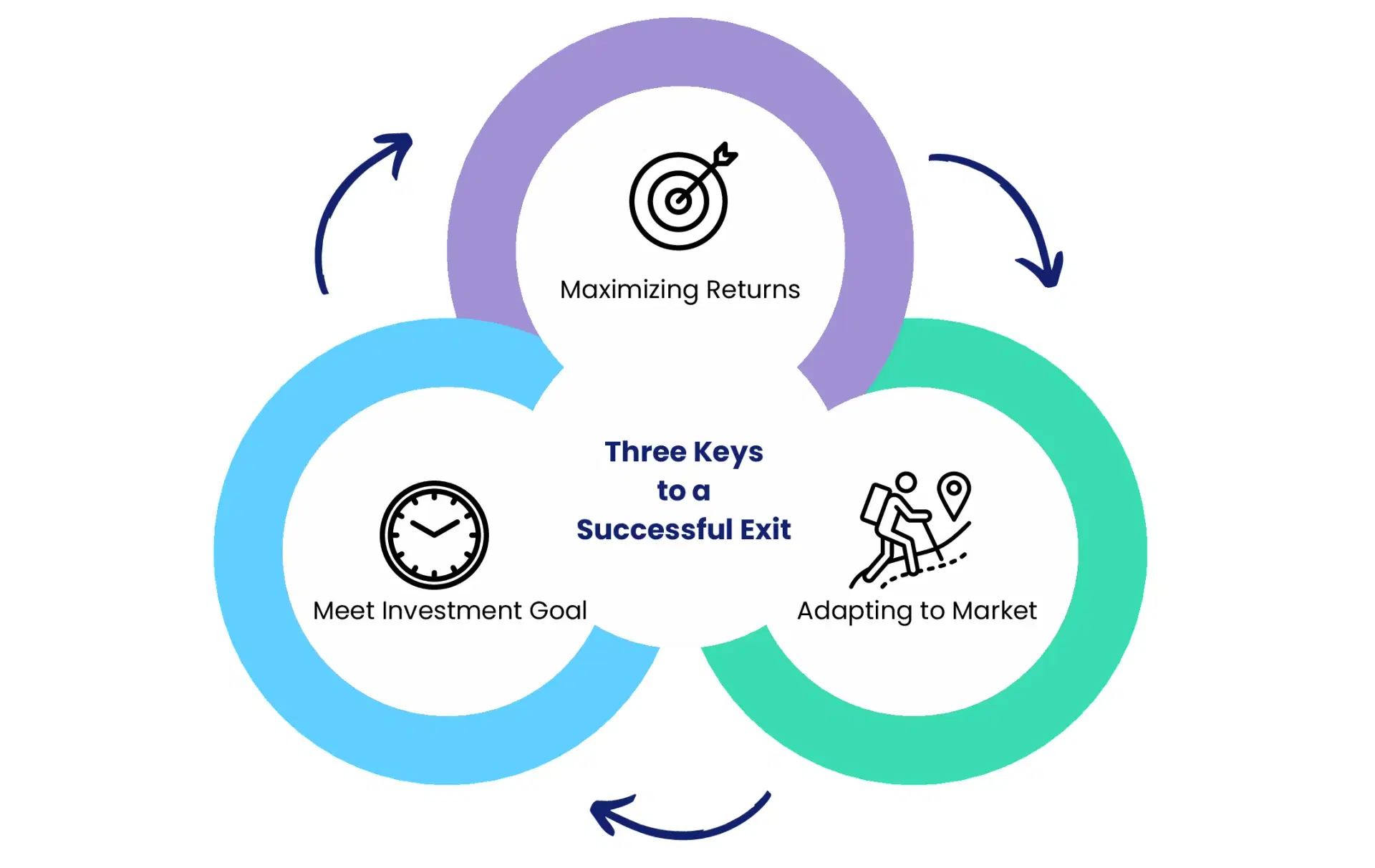
An exit strategy is a predetermined plan for selling or liquidating your real estate investments. It's a vital component of your overall investment strategy, and here's why it matters:
- Maximizing Returns: An effective exit strategy allows you to sell your property when it's poised for maximum appreciation. Timing the market is crucial to ensure you realize the highest possible return on your investment.
- Adapting to Market Changes: Real estate markets can be cyclical, with periods of growth and downturns. An exit strategy enables you to adapt to changing market conditions and avoid potential losses during market downturns.
- Meeting Investment Goals: Your investment goals may evolve over time. An exit strategy ensures that your real estate investments align with your current financial objectives.
Strategies for a Profitable Exit
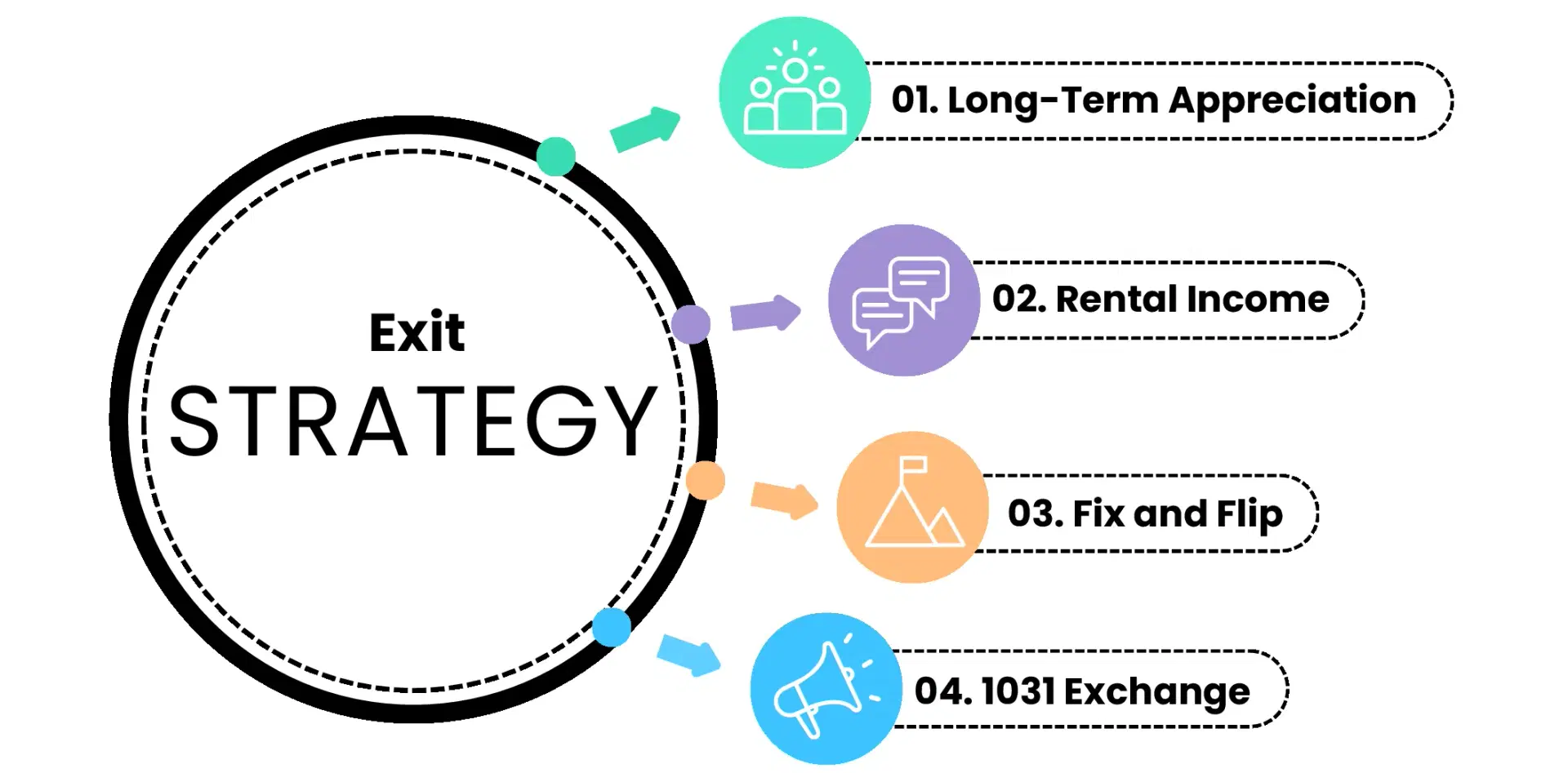
Let's explore some common exit strategies employed by real estate investors:
- Long-Term Appreciation: This strategy involves holding onto your property for an extended period, allowing it to appreciate steadily over time. Long-term investors may choose to sell when they achieve their target appreciation.
- Rental Income: If your primary goal is rental income, you can maintain your property as a consistent source of cash flow. When your income needs change or the property's value appreciates significantly, you may decide to sell for a lump sum.
- Fix and Flip: Investors who specialize in buying distressed properties, renovating them, and selling for a profit employ the fix and flip strategy. This strategy requires a keen eye for property value enhancement.
- 1031 Exchange: A 1031 exchange allows you to defer capital gains taxes by reinvesting the proceeds from the sale of one property into another “like-kind“ property. This strategy is popular for investors looking to diversify their portfolio without triggering immediate tax liabilities.
Preparing for a Smooth Exit
Before executing your exit strategy, it's essential to prepare:
- Property Evaluation: Assess your property's current market value and condition to determine its selling potential.
- Financial Planning: Consider the tax implications and financial goals associated with your exit strategy.
- Legal and Regulatory Compliance: Ensure that you adhere to all legal and regulatory requirements when selling your property.
Developing an exit strategy is a vital part of your real estate investment journey. Whether you're aiming to cash in on your property's appreciation, reposition your investments, or align with changing life goals, planning your exit is essential.
Key TakeawayAn exit strategy is vital for maximizing returns, adapting to market changes, and meeting your goals. Whether it's long-term appreciation, rental income, fix and flip, or a 1031 exchange, a clear plan is essential. Prepare by evaluating your property, understanding finances, and complying with legal requirements.

Ross Iannarelli
Jan 27, 2024