
January 25, 2024

6 Min Read
Chapter 3: Financial Planning for Real Estate Investment
Successful real estate investment requires more than just a passion for property; it requires a solid financial foundation. In this chapter, we will explore the critical aspects of financial planning for real estate investment. Understanding your financial capacity, budgeting for expenses, and making informed decisions are key to achieving your investment goals.
Assessing Your Financial Capacity
Before diving into real estate investment, it's essential to assess your financial situation honestly. This involves evaluating your current assets, income, and expenses. Knowing how much capital you have available for investment will help you set realistic goals and avoid overextending yourself financially.
Understanding All Costs Associated with Property Investment
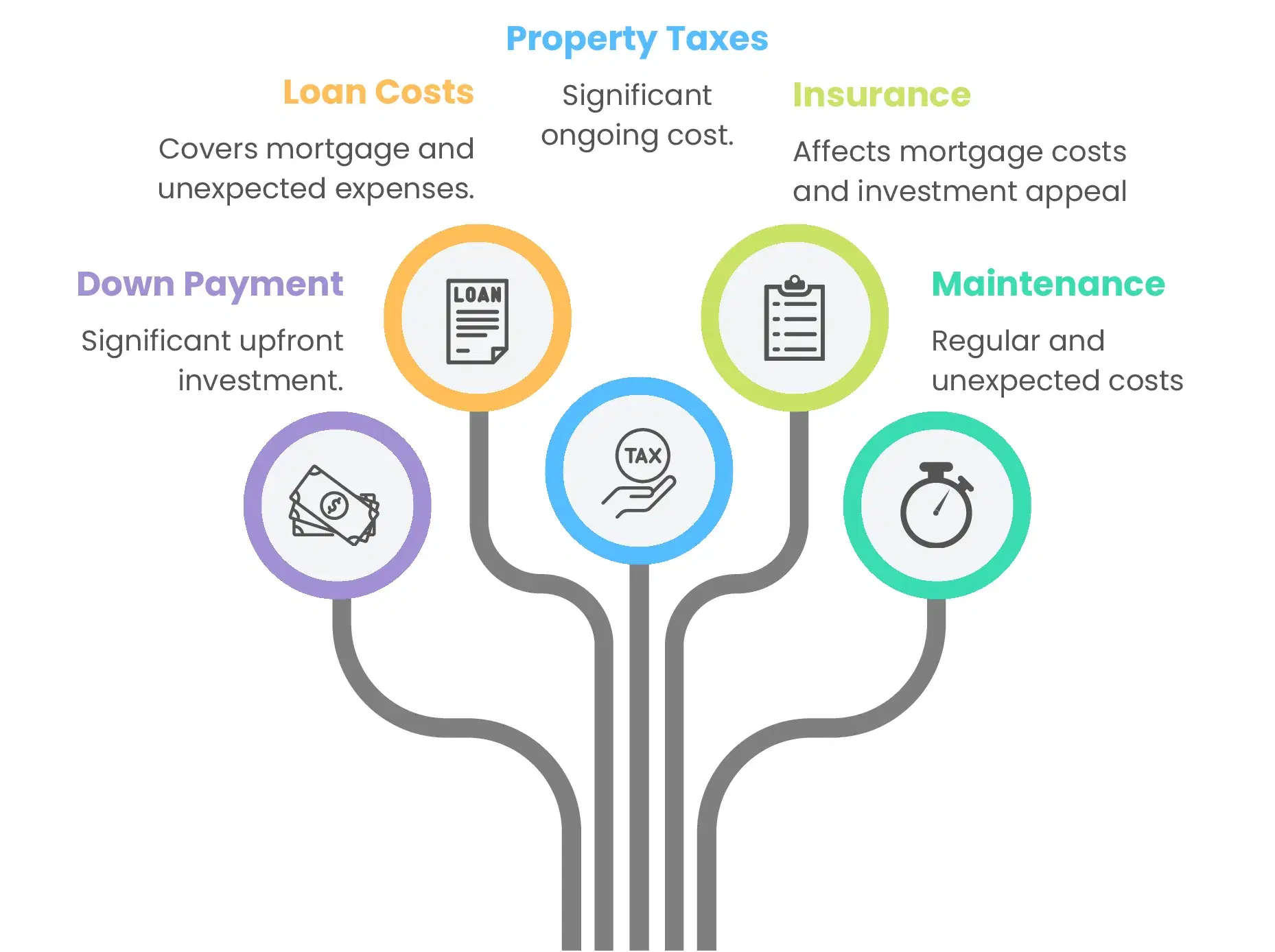
Real estate investment involves various costs beyond the property's purchase price. These costs may include:
- Down Payment: Keeping a close eye on how economic conditions and interest rates affect the real estate market is key. A diversified investment portfolio can help mitigate these risks.
- Loan Costs: Be prepared for unexpected maintenance, tenant issues, and occupancy rates. Thorough research and due diligence are vital.
- Property Taxes: Real estate investments are generally less liquid. Maintaining a long-term investment perspective is beneficial.
- Insurance: These can significantly impact mortgage costs and investment appeal. Planning for such changes is crucial.
- Maintenance and Repairs: Broader economic trends can impact property values and rental rates. Choosing properties with strong fundamentals can offer more stability.
Relli's Transparent Costs and Investment Planning Tools
Navigating the financial intricacies of real estate investment can be daunting, but Relli is here to simplify the process. Our platform provides you with:
- Transparent Cost Structure: Relli offers a clear breakdown of fees associated with your investments, ensuring transparency in financial planning.
- Investment Planning Tools: Access to financial planning tools helps you budget for all expenses associated with your real estate investment.
Key TakeawayEffective financial planning is essential for successful real estate investment. Assess your financial capacity, understand all associated costs, and utilize transparent fee structures and investment planning tools to make informed financial decisions. This groundwork ensures you can invest within your means and maximize your returns.
Having established a strong financial foundation, we now turn to Chapter 4: Conducting Market Research, where you'll learn how to apply this financial groundwork to effectively analyze and understand the real estate market, ensuring your investments are informed, strategic, and aligned with the best available opportunities.

Ross Iannarelli
Jan 25, 2024